
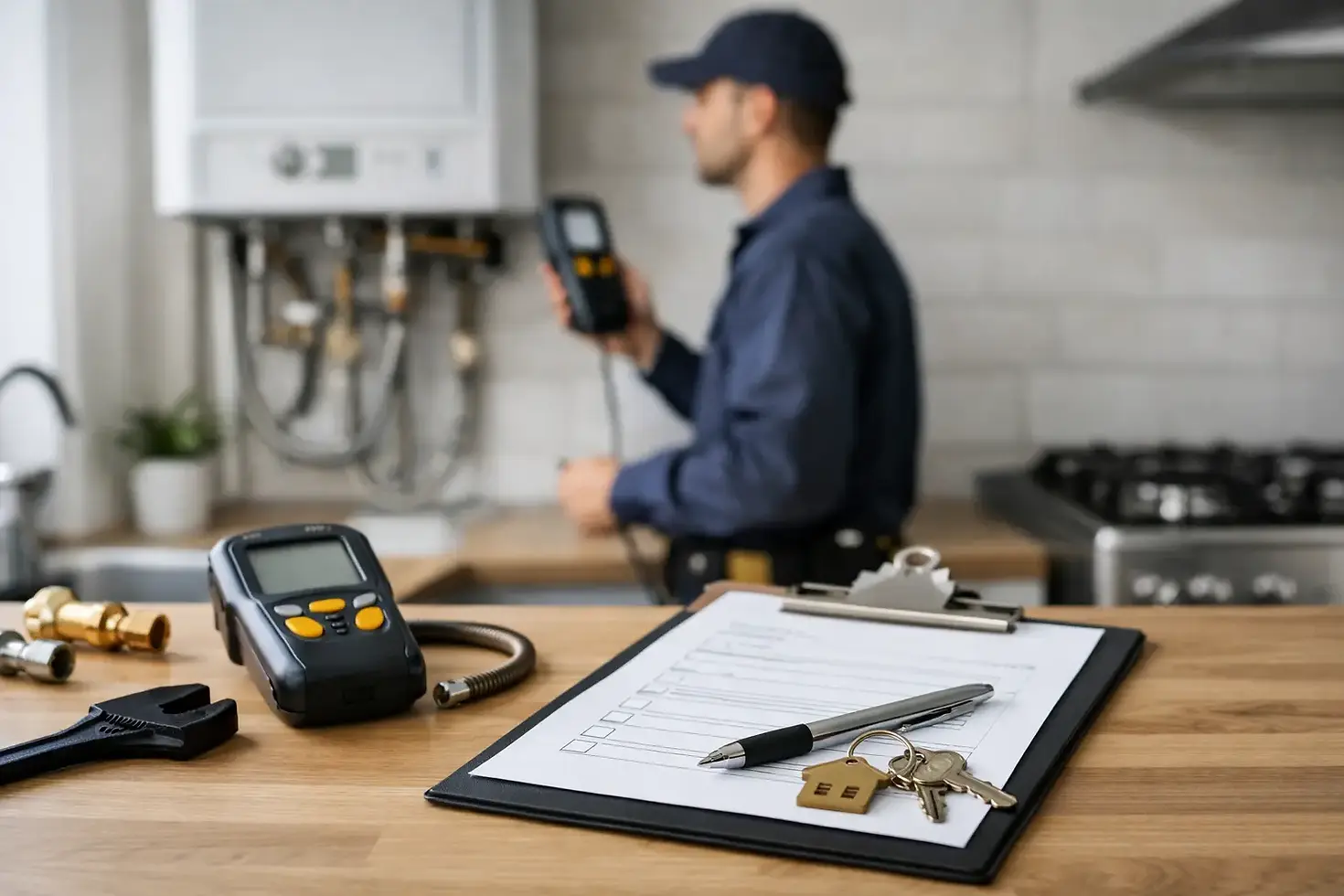
Landlord Gas Safety Certificate CP12 Explained

A missed renewal date can turn into a legal problem very quickly. If you let out a property with gas appliances, a landlord gas safety certificate CP12 is not optional - it is a yearly requirement that protects your tenants, your property and your position as a landlord.
For many landlords, the issue is not whether they need a CP12. It is how to get it done quickly, at a fair price, and without chasing paperwork. That matters even more during tenant changeovers, managed lets and last-minute compliance checks, when delays can hold up keys, move-ins and agency handovers.
What a landlord gas safety certificate CP12 actually is
A CP12 is the record issued after a Gas Safe registered engineer inspects the gas appliances and related fittings in a rented property. It confirms that the appliances checked meet the required safety standards on the day of inspection.
The certificate is commonly called a landlord gas safety record, but most landlords, agents and tenants still refer to it as a CP12. In practical terms, it is the document you keep as evidence that the annual gas safety check has been completed properly.
The check normally covers landlord-owned gas appliances such as boilers, gas hobs, ovens and fires, along with pipework and flues linked to those appliances. The engineer will test for safe operation, correct pressure, adequate ventilation and signs of unsafe combustion. If something does not meet the required standard, it should be recorded clearly.
What the CP12 does not do is act as a full boiler service unless that has been booked separately. This catches some landlords out. A gas safety check confirms safety at the time of inspection. A boiler service goes further into maintenance, efficiency and wear. Sometimes it makes sense to book both together, especially if you want fewer appointments and better long-term appliance performance.
Who needs a CP12 and when
If you are a landlord renting out a property with gas appliances, you generally need a valid CP12 every 12 months. This applies whether you manage one flat yourself or oversee several properties through a letting setup.
The duty sits with the landlord, even if day-to-day management is handled by an agent. An agent can arrange the inspection, but legal responsibility does not disappear because somebody else booked the appointment.
You must also provide a copy of the current gas safety record to existing tenants within 28 days of the check. New tenants should receive it before they move in. Keeping this organised matters. When documents are missing, it creates avoidable disputes and can become a bigger issue if a tenancy problem ends up under scrutiny.
There are edge cases where the situation depends on who owns the appliance. If a tenant has brought in and installed their own gas cooker, for example, your legal duties may differ from appliances you have supplied. Even then, you should not guess. Where ownership or responsibility is unclear, it is better to check the position properly than assume the certificate is not needed.
What happens during the inspection
A good CP12 appointment should be straightforward. The engineer attends, checks each relevant gas appliance and records the outcome. If everything is safe and accessible, the certificate can often be issued the same day.
Access is one of the biggest practical sticking points. If the engineer cannot reach the appliance, cannot inspect the meter, or finds that a flue route is boxed in and not visible, the check may be delayed or limited. That can leave you without a valid record until a return visit is completed.
For that reason, preparation helps. Make sure the tenant knows the appointment time, that appliances can be reached, and that any locked cupboards or service areas are accessible. In managed properties, this small bit of planning saves a lot of wasted time.
If an appliance is found to be unsafe, the engineer may classify it and explain what happens next. In some cases the appliance can be disconnected for safety. That is inconvenient, but it is far better than leaving a dangerous fault in use. Compliance is not just about getting a certificate issued. It is about making sure the property is actually safe.
Why timing matters more than most landlords expect
Annual checks sound simple enough, but renewals often become urgent because they are left too late. A landlord may realise the certificate expires during a tenancy renewal, just before a move-in, or when an agent asks for updated compliance records. At that point, speed matters.
A fast turnaround is not just convenient. It can prevent avoidable disruption. If you are working around a new tenancy, contractors, inventory appointments or check-ins, waiting several days for a certificate can create a knock-on effect.
There is also the issue of documentation. Landlords usually want the certificate promptly so they can forward it to tenants, file it with property records, or send it to a managing agent. Same-day certification, where available, reduces the risk of the job being done but the paperwork still outstanding.
This is one reason many landlords now favour fixed-price, appointment-led services over slower back-and-forth booking arrangements. When the requirement is annual and predictable, the process should be simple.
Landlord gas safety certificate CP12 cost and what affects it
Cost matters, but the cheapest quote is not always the best value. The price of a landlord gas safety certificate CP12 usually depends on how many appliances need checking, the property setup and whether you are booking any additional gas work at the same time.
For a single property with one or two standard appliances, the cost is often modest compared with the legal and safety risk of not arranging it. Problems tend to arise when pricing is unclear at the start. A low headline price can become less attractive if extras appear later for additional appliances, repeat visits or certificate delays.
Clear fixed pricing is usually the better option because it lets landlords budget properly and avoid surprises. It is especially useful for portfolio landlords and agents who need repeatable costs across multiple properties.
If your boiler is overdue a service, it can also be worth asking whether combining the jobs is sensible. That will not always be necessary, but in some properties it saves time and reduces future call-outs. The right choice depends on the age of the appliance, service history and whether the tenant has reported any issues.
Common mistakes landlords make
The most common mistake is assuming the certificate can wait until the last minute. The second is confusing a boiler service with a gas safety record. They are related, but they are not the same thing.
Another frequent issue is poor record handling. A certificate may be completed, but then not passed to the tenant on time or not stored properly for later reference. That creates a paper trail problem, even if the inspection itself was done.
Access problems are also a regular cause of delay. If the tenant has not been informed, if keys have not been arranged, or if the appliances are boxed in, the appointment can fail. In busy rental periods, that can push the whole process back.
Lastly, some landlords wait until something goes wrong before thinking about gas compliance. A suspected leak, a boiler problem or a tenant complaint is not the time to discover your annual check is overdue. Routine compliance is always easier than reactive damage control.
Choosing the right provider for CP12 work
You do not need a complicated service. You need a Gas Safe registered engineer, a clear appointment, transparent pricing and prompt certification. That is what makes the process workable for landlords and agents who are already juggling repairs, tenancy dates and compliance deadlines.
Responsiveness matters. Evening and weekend availability can make a real difference where tenants work during the day or where turnaround is tight. Online booking also helps, not because it looks modern, but because it removes friction when the job needs arranging quickly.
For landlords in Bournemouth, Poole and Christchurch, Bournemouth Gas Certificates is set up around exactly that kind of demand - fast booking, fixed pricing and same-day certificate issuing where the inspection is completed without issue. That practical approach is often what landlords need most.
What to do if your CP12 is due soon
If your renewal date is approaching, the best move is simple. Get the appointment booked before it becomes urgent. Confirm which appliances need checking, make sure access is arranged, and ask when the certificate will be issued.
That avoids last-minute stress and keeps your records in order. More importantly, it keeps the property safe for the people living in it.
A CP12 is one of those jobs that should be routine, not rushed. When it is handled properly, it protects everyone involved and lets you get on with the rest of managing the property.


Comments